How Thoughtful Design Creates Better Homes: A Guide to Modern Residential Architecture
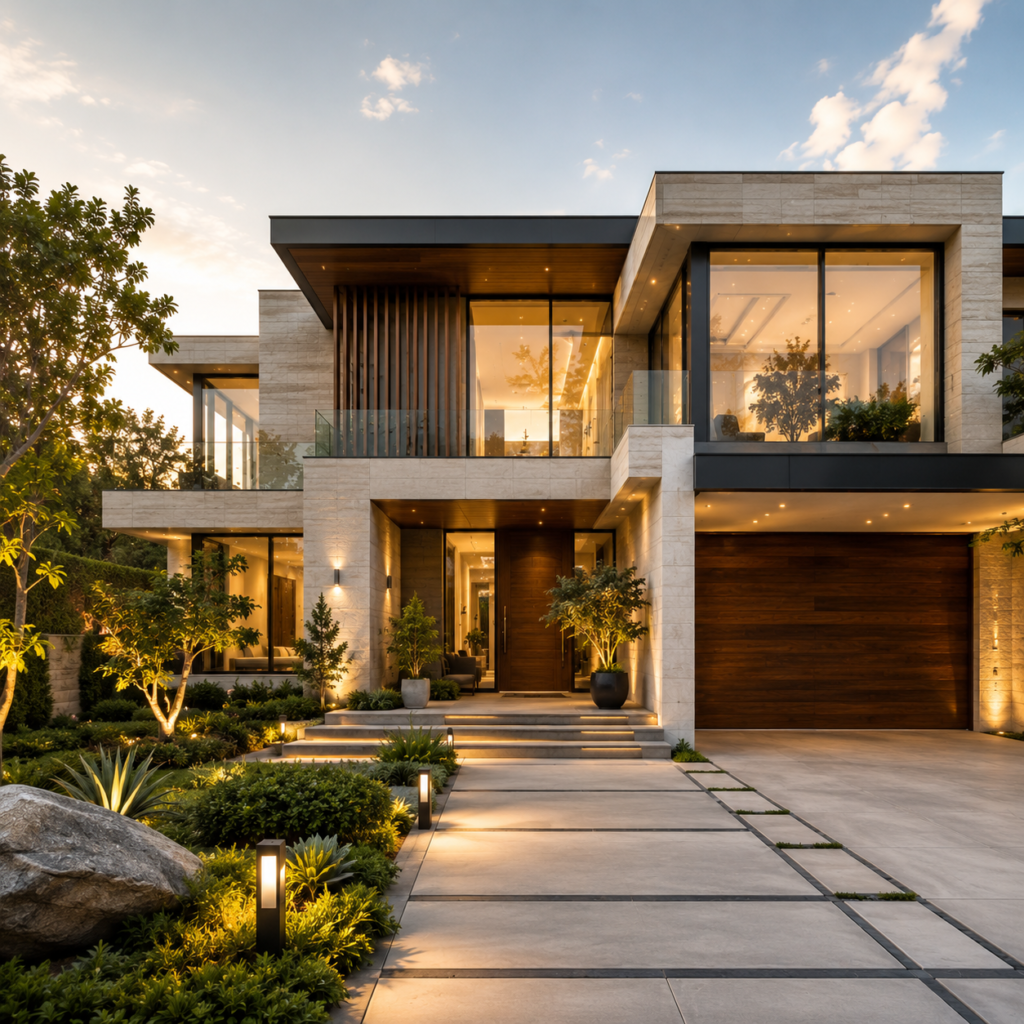
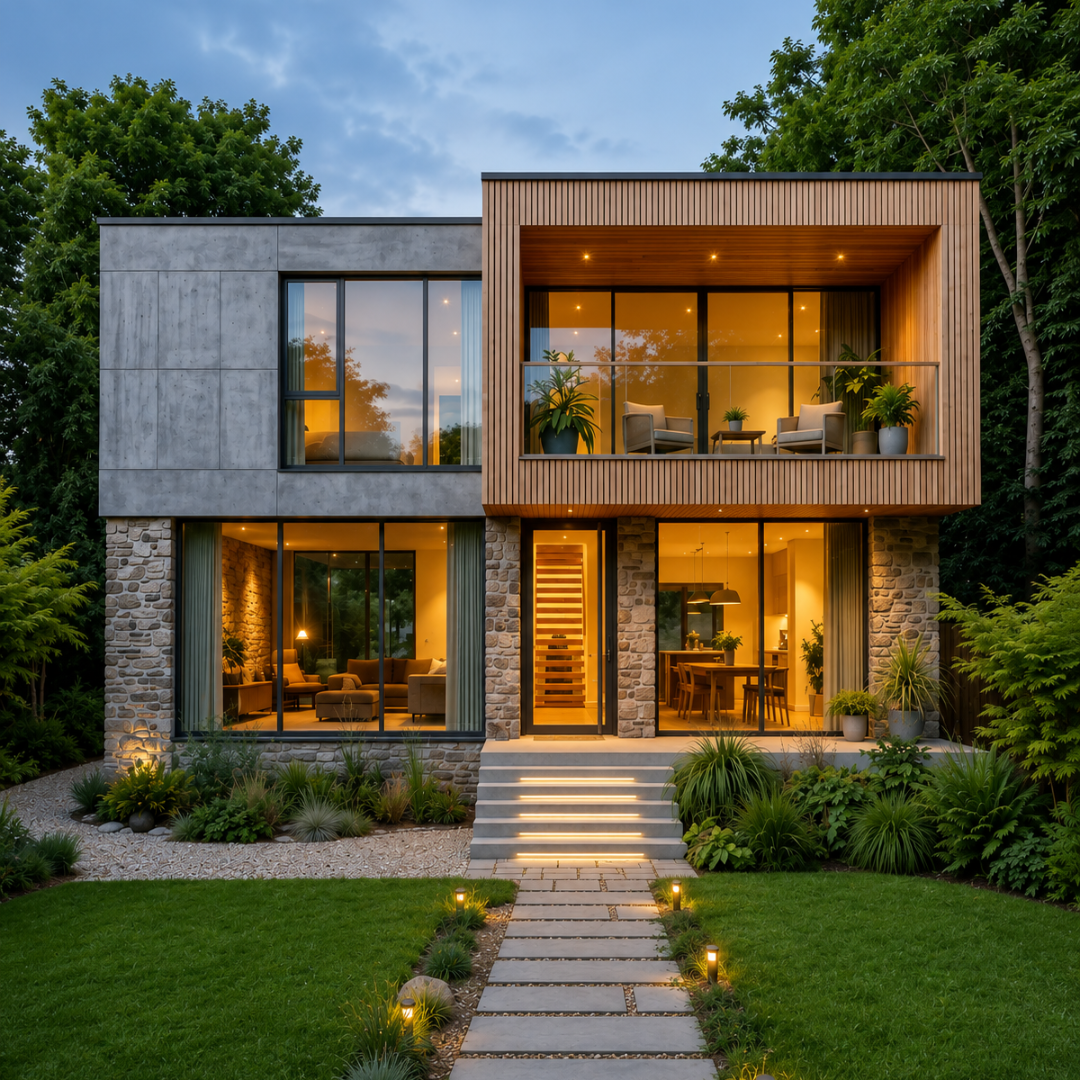
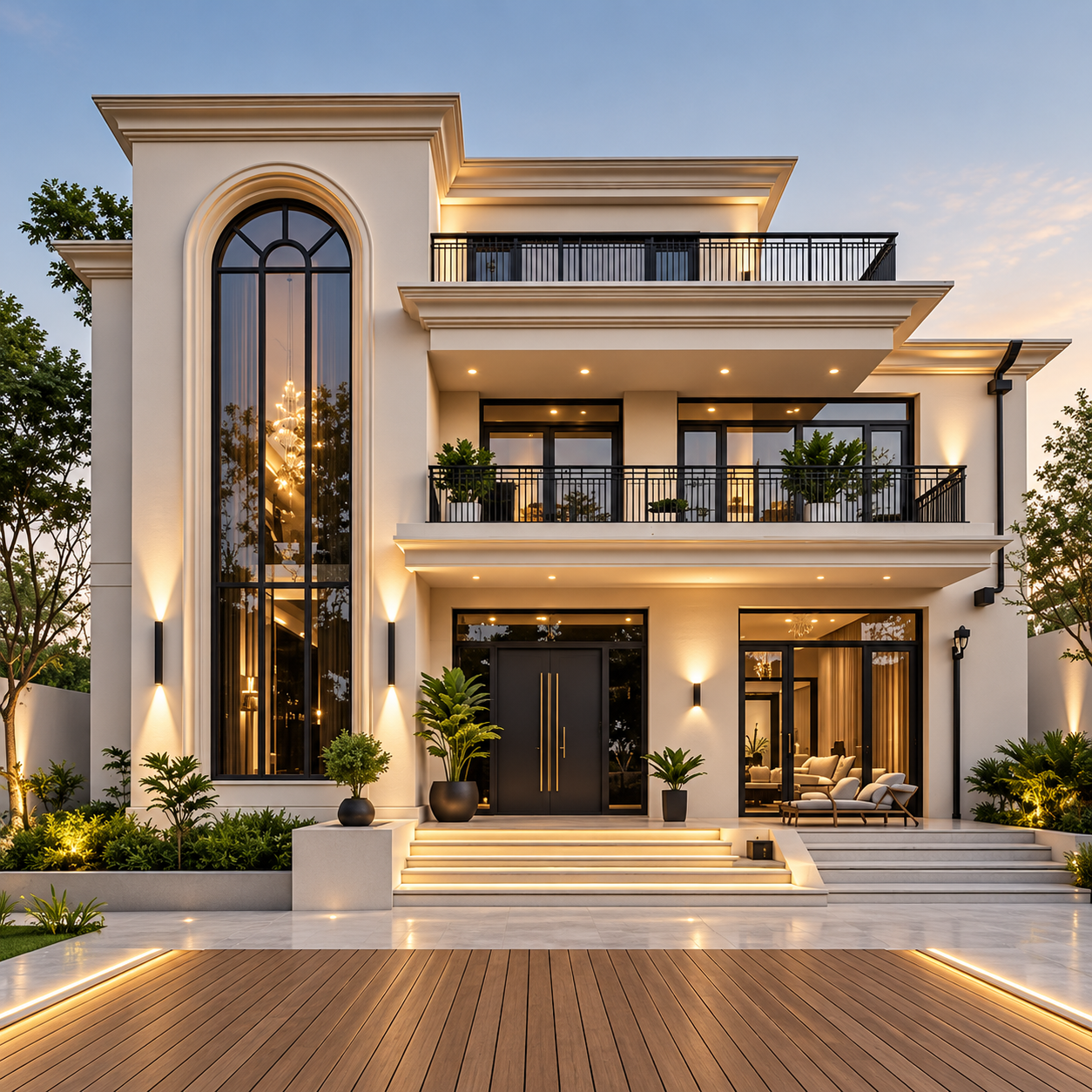
A well-designed home is more than an attractive exterior—it shapes the way people live every day. From the amount of natural light entering a room to the flow between living spaces, thoughtful architectural design has a lasting impact on comfort, functionality, and long-term value.
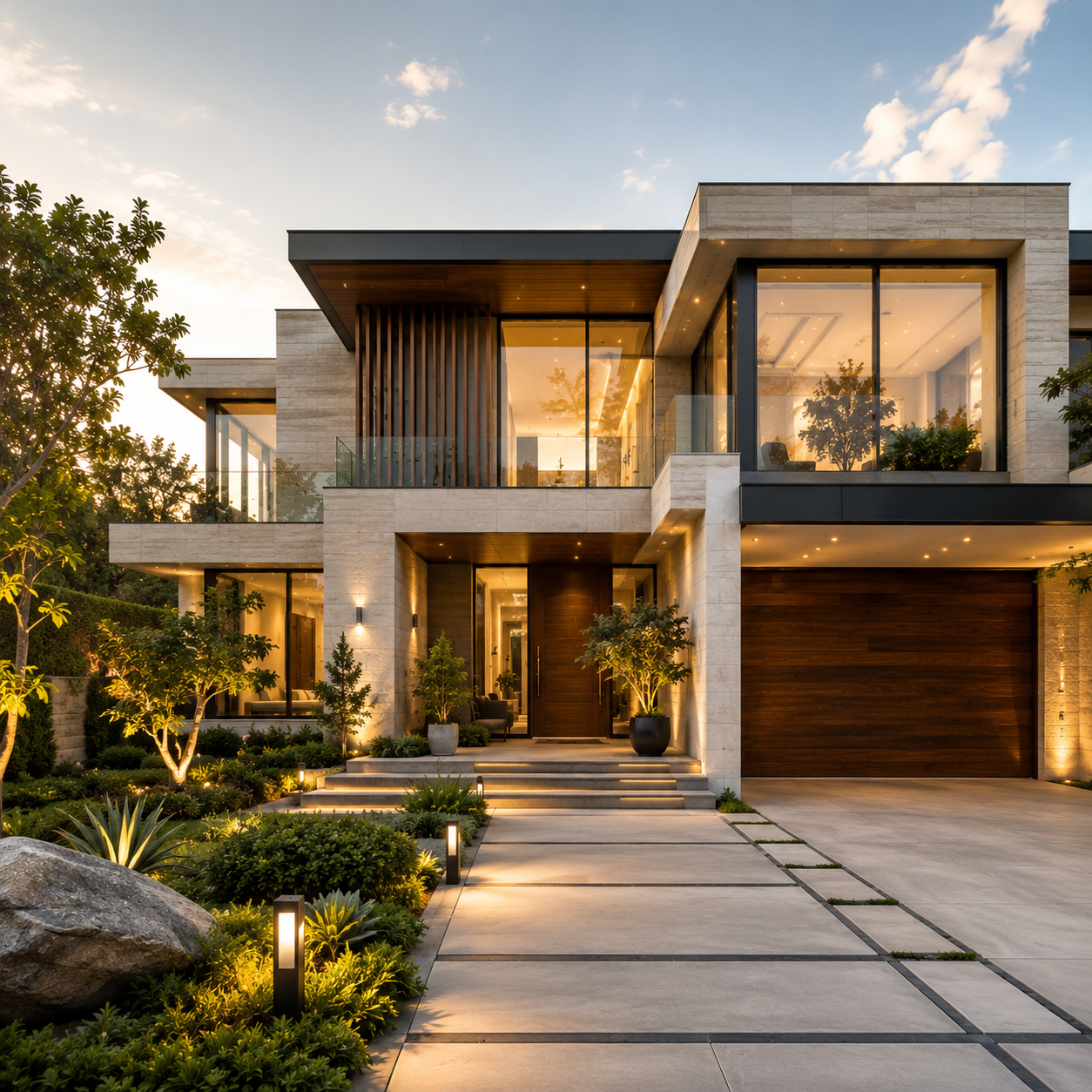
Modern residential architecture focuses on creating homes that respond to the needs of families while balancing aesthetics, efficiency, and durability. Every decision, from site planning to material selection, contributes to a home that remains practical today and adaptable for the future.
Understanding Modern Residential Design
Modern architecture is often associated with clean lines and minimalist forms, but its true purpose goes beyond appearance. A successful residential design considers how a family will move through the space, interact with each room, and experience the home throughout different seasons.
Thoughtful planning ensures that every square foot serves a purpose while maintaining a sense of openness and comfort.
The Importance of Space Planning
Space planning is one of the most important stages of any residential project. It determines how rooms connect, how natural light enters the home, and how daily activities can be carried out efficiently.
Well-planned homes often include:
- Open living and dining areas
- Functional kitchen layouts
- Private family spaces
- Flexible multi-purpose rooms
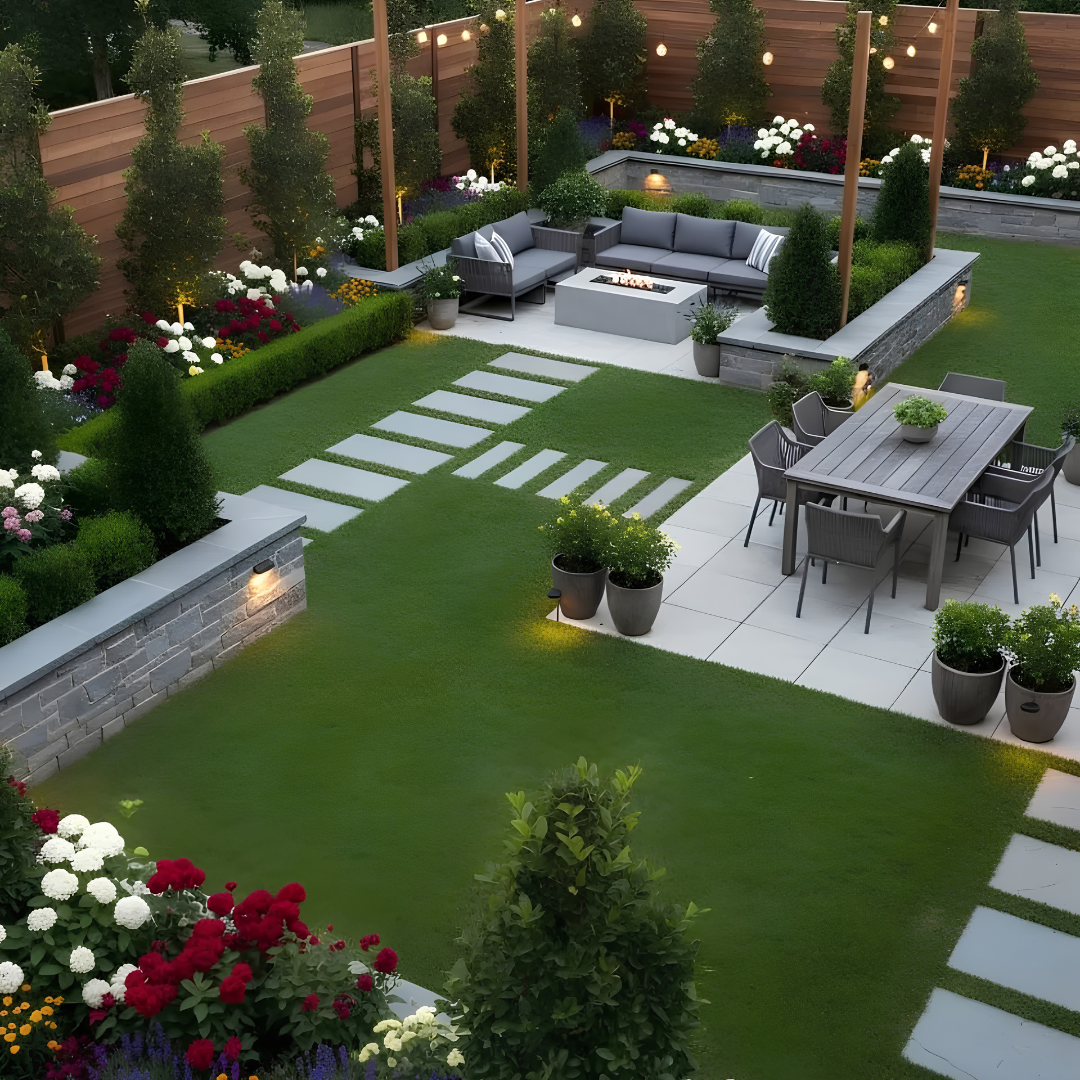
- Seamless indoor-outdoor connections
When these elements are carefully considered, the result is a home that supports both everyday living and future needs.
Choosing Materials That Last
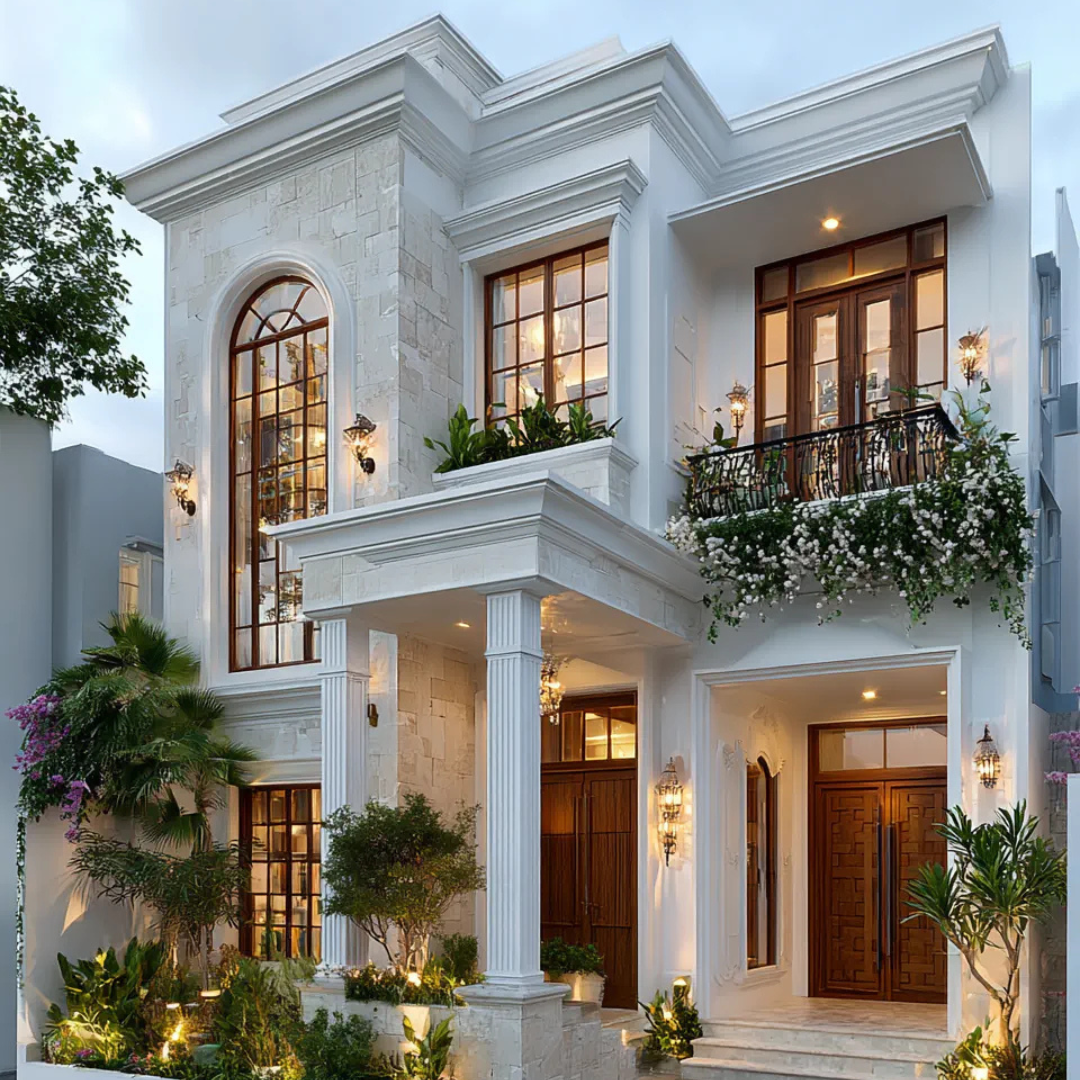
The quality of construction begins with selecting the right materials. Durable structural components, energy-efficient glazing, quality insulation, and carefully chosen finishing materials all contribute to a building that performs well over time.
Material selection is not only about appearance. It also influences maintenance requirements, environmental performance, and the overall lifespan of the property.
Designing with Natural Light
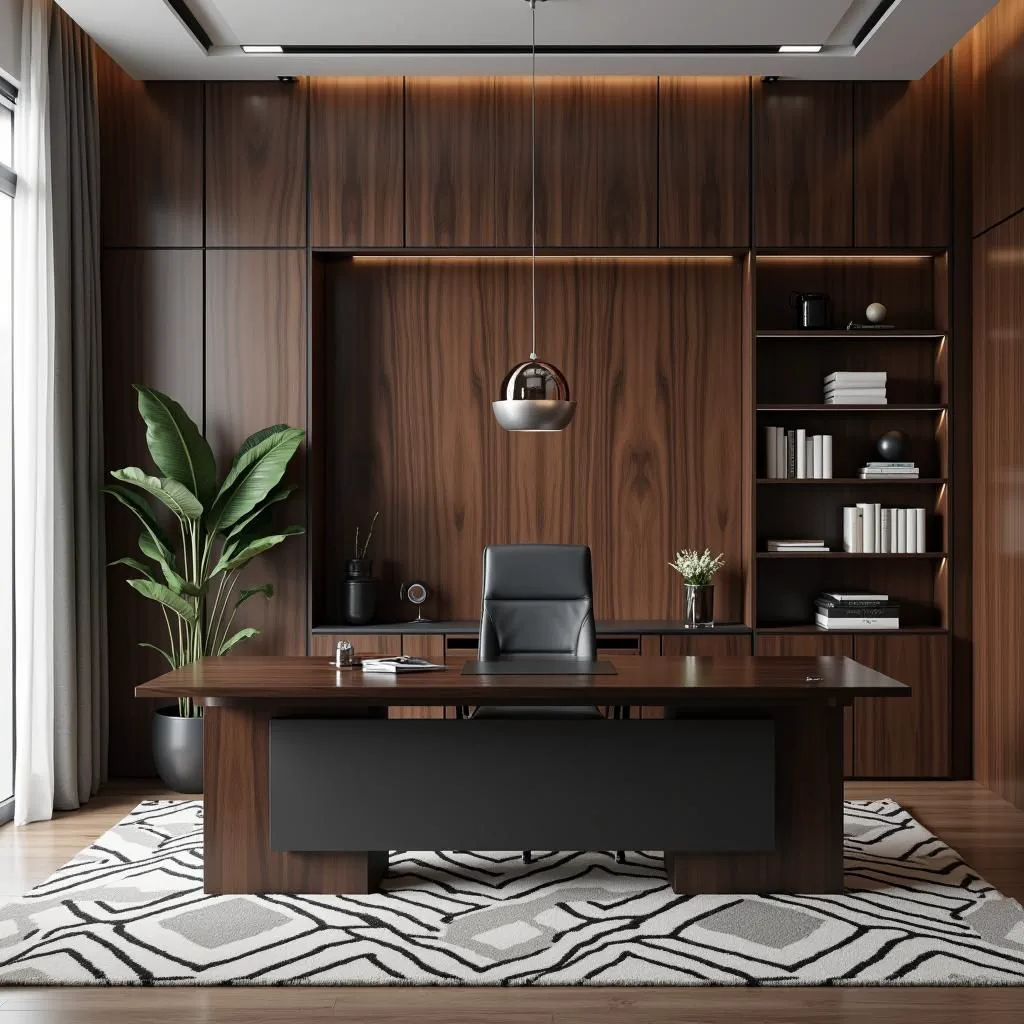
Natural light has become one of the defining characteristics of contemporary homes. Proper window placement, skylights, and open layouts reduce the need for artificial lighting while creating brighter, healthier living environments.
Well-lit interiors also enhance the perception of space and improve the overall atmosphere of a home.
Sustainability in Residential Construction
Sustainable design is increasingly becoming an essential part of modern construction. Energy-efficient systems, responsible material choices, and environmentally conscious planning help reduce long-term operating costs while supporting healthier living environments.
Simple design decisions made during the planning phase can significantly improve the overall performance of a building.
Bringing Design and Construction Together
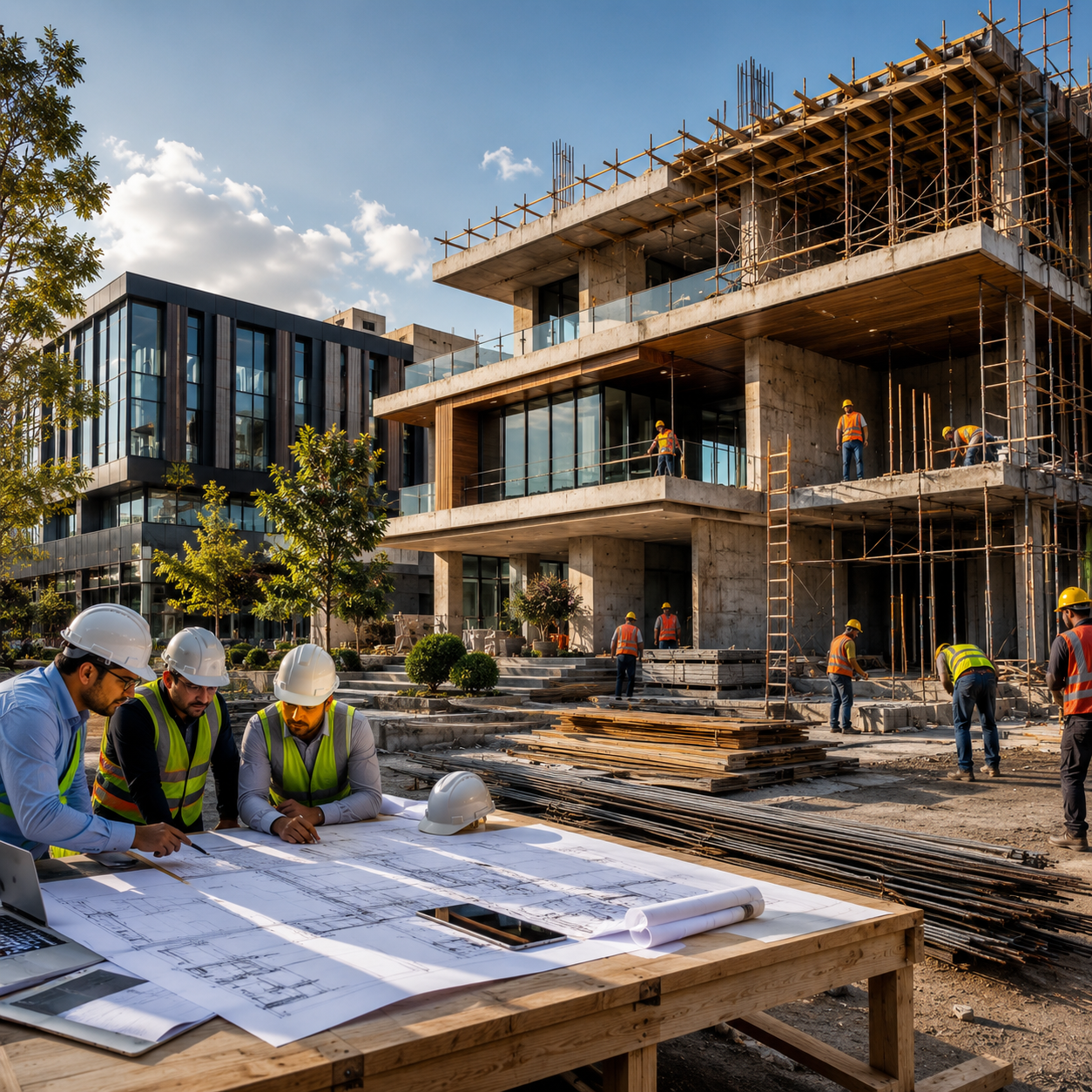
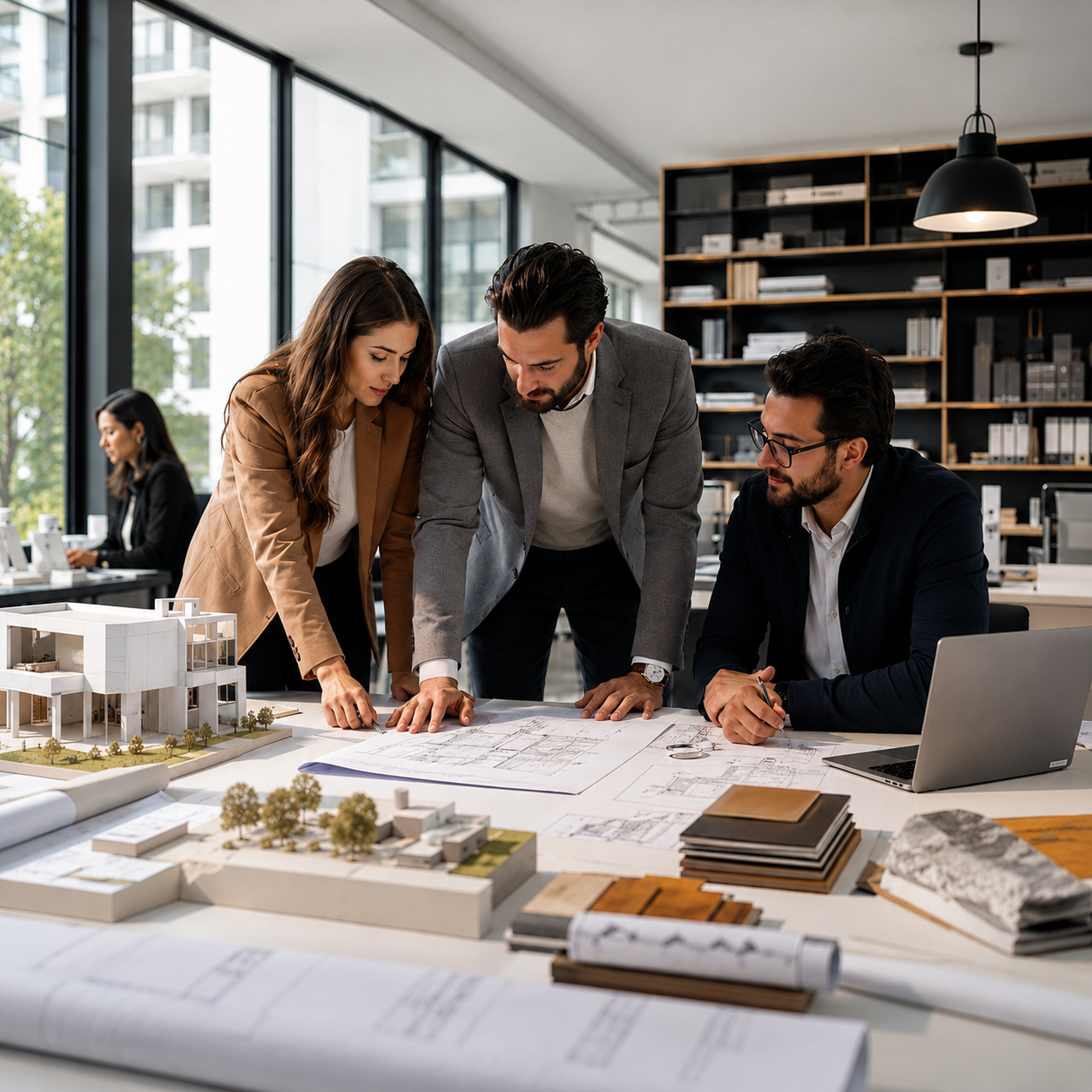
Successful projects rely on close coordination between architects, designers, engineers, and construction professionals. When planning and execution work together from the beginning, projects benefit from better communication, improved efficiency, and more consistent results.
An integrated approach also helps minimise delays and ensures that the original design vision is carried through to completion.
Conclusion
A thoughtfully designed home continues to deliver value long after construction is complete. By combining careful planning, quality materials, functional layouts, and skilled craftsmanship, modern residential architecture creates spaces that are comfortable, efficient, and built to last.
Whether you’re planning a new home or exploring ideas for a future project, investing in good design is one of the most valuable decisions you can make.
Recent Posts
Need More Information? Contact Our Team
Feel free to contact us — we’re here to help.
Our Services
We deliver innovative architecture, construction, and interior solutions tailored to your vision. Explore our expertise and build with confidence.