7 Mistakes to Avoid Before Starting Your Construction Project
Starting a construction project is an exciting milestone, whether you’re building a new home, developing a commercial property, or transforming an existing space. While every project begins with a vision, its success depends on the decisions made long before construction starts.
Many challenges that arise during construction — unexpected costs, delays, design changes, or quality concerns — can often be traced back to the planning stage. Taking time to prepare properly helps create a smoother construction process and ensures the finished space meets both practical needs and long-term expectations.
At ProLink Constructions, we believe successful projects are built on thoughtful planning, clear communication, and quality execution. Here are seven common mistakes to avoid before starting your next construction project.
Key Takeaways
- Define clear project goals before design work begins.
- Choose experience and quality over the lowest quotation.
- Plan your budget with room for unexpected requirements.
- Select durable materials that offer long-term value.
- Finalise designs before construction starts.
- Professional project management keeps work organised and efficient.
1. Starting Without a Clear Plan
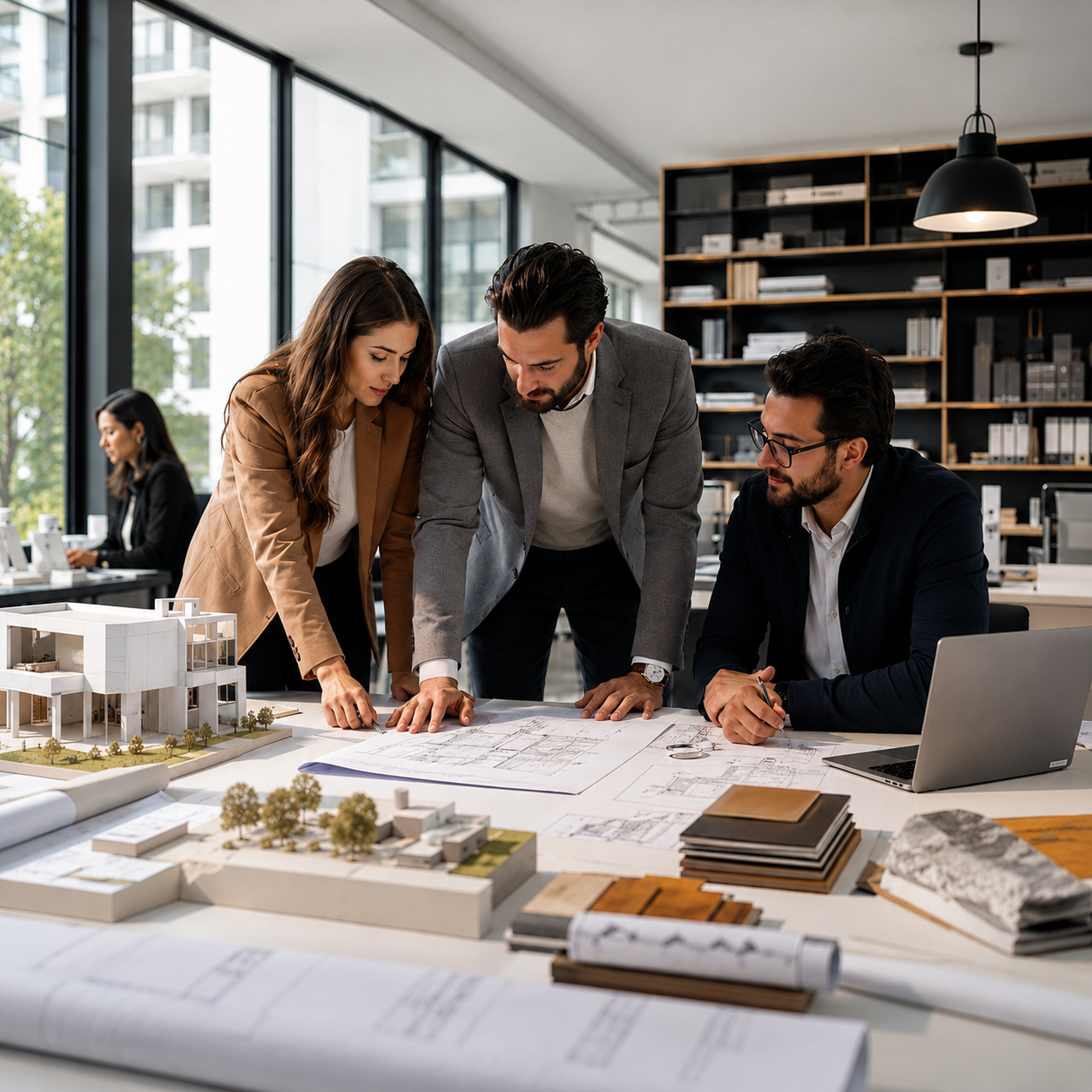
Every successful project begins with a well-defined plan. Rushing into construction without fully understanding your requirements often leads to design revisions, unnecessary expenses, and avoidable delays.
Before any work begins, take time to define your priorities, lifestyle needs, functional requirements, and future expectations. A clear project brief allows architects, designers, and construction professionals to develop solutions that align with your vision from the very beginning.
2. Choosing a Contractor Based Only on Price
One of the most common mistakes is selecting a contractor solely because they submitted the lowest quotation. While staying within budget is important, the cheapest option does not always provide the best long-term value.
Experience, technical expertise, quality workmanship, communication, and project management should all be considered before making a decision. Investing in skilled professionals often prevents costly repairs and unnecessary revisions later.
3. Ignoring Future Needs
Construction projects should be designed not only for today but also for the years ahead. Families grow, businesses expand, and lifestyle requirements evolve over time.
Flexible layouts, efficient storage, adaptable spaces, and durable construction methods help ensure that a property continues to meet changing needs without requiring major alterations in the future.
Planning ahead creates buildings that remain practical, functional, and valuable for many years.
4. Overlooking the Importance of Material Selection
Construction materials influence much more than appearance. They determine structural performance, durability, maintenance requirements, and overall building efficiency.
Rather than selecting materials based only on cost, it’s important to consider quality, longevity, environmental conditions, and ease of maintenance. Carefully chosen materials contribute to stronger structures, better energy performance, and reduced long-term maintenance costs.
5. Making Design Changes During Construction
Frequent design changes after construction has started often create delays, increase costs, and affect the overall project schedule.
Finalising architectural layouts, interior concepts, material selections, lighting plans, and finishing details before work begins allows construction teams to progress efficiently while maintaining consistency throughout the project.
A well-prepared design package helps minimise disruptions and keeps the project moving forward smoothly.
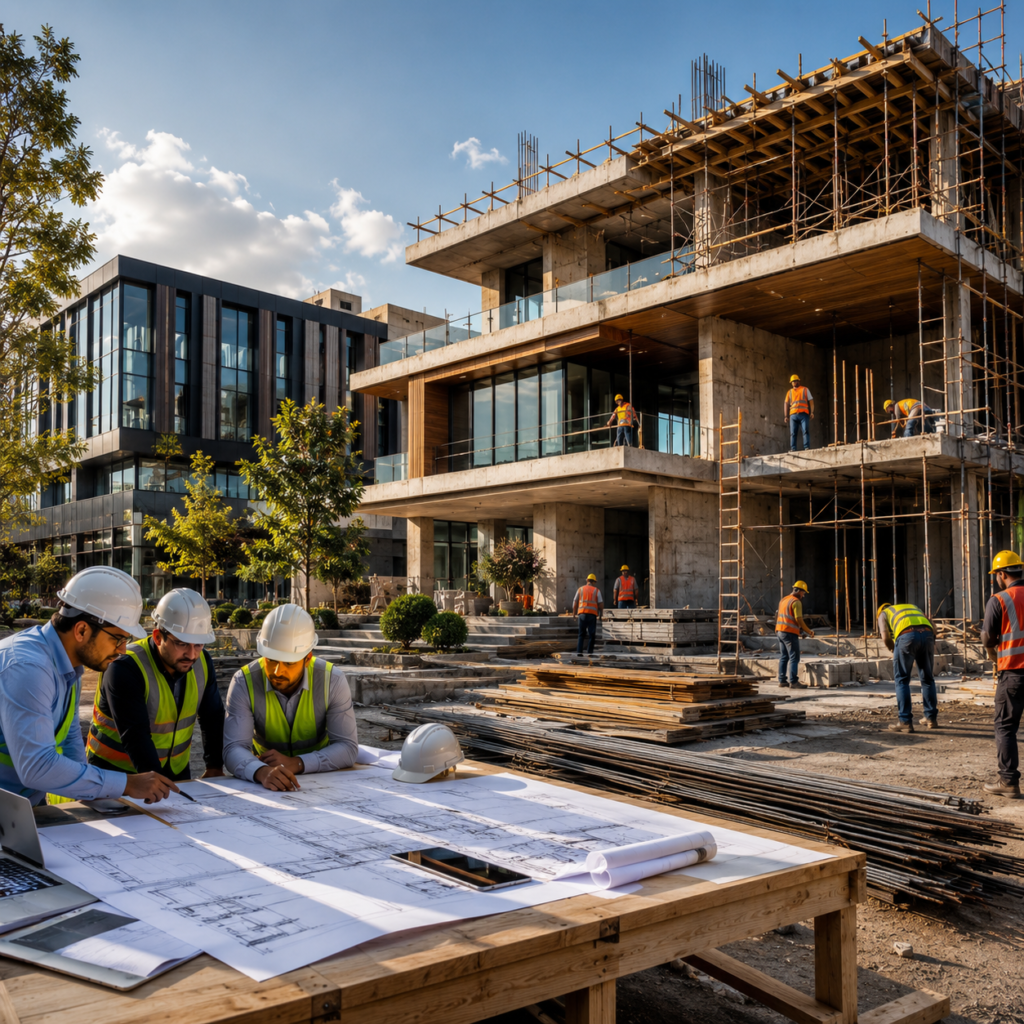
6. Underestimating the Value of Project Management
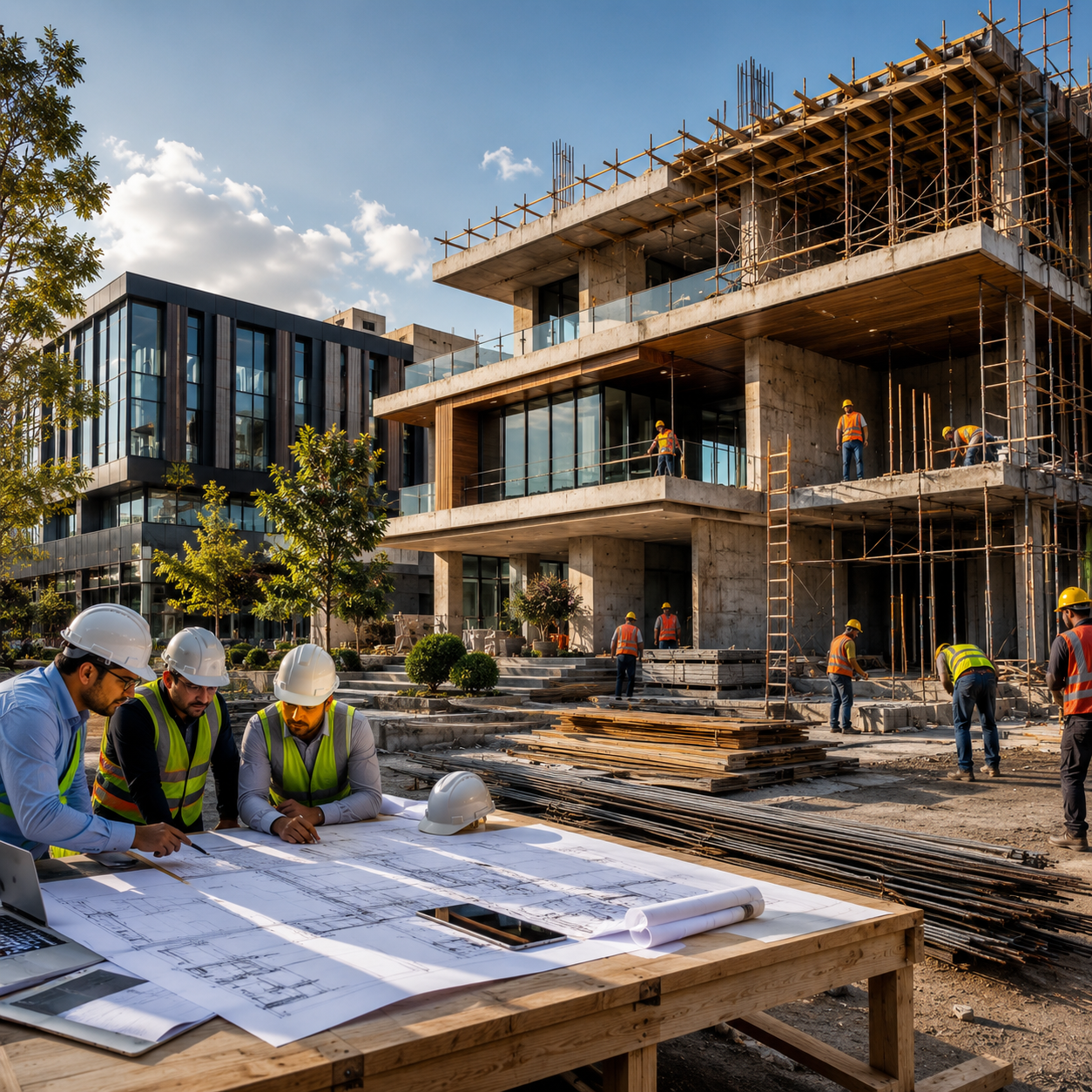
Construction involves coordination between architects, engineers, contractors, suppliers, and skilled trades. Without proper organisation, communication gaps can quickly affect quality, scheduling, and overall progress.
Professional project management ensures every phase is carefully coordinated, deadlines are monitored, and work is completed according to established quality standards. Strong communication throughout the process creates a more efficient and predictable construction experience.
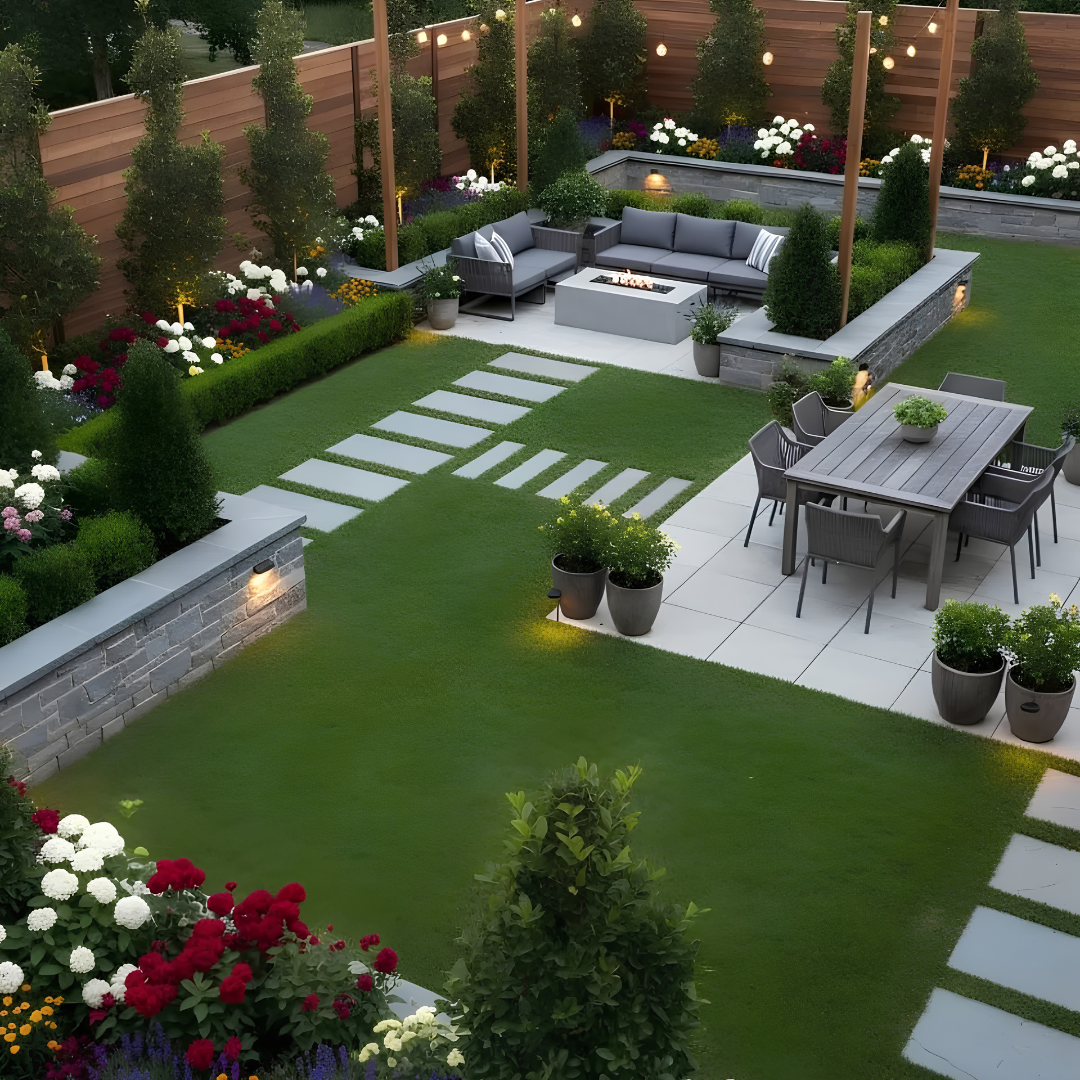
7. Forgetting About Outdoor Spaces
Many projects focus entirely on the building itself while leaving landscaping and outdoor planning until the end. However, exterior spaces play an important role in both functionality and visual appeal.
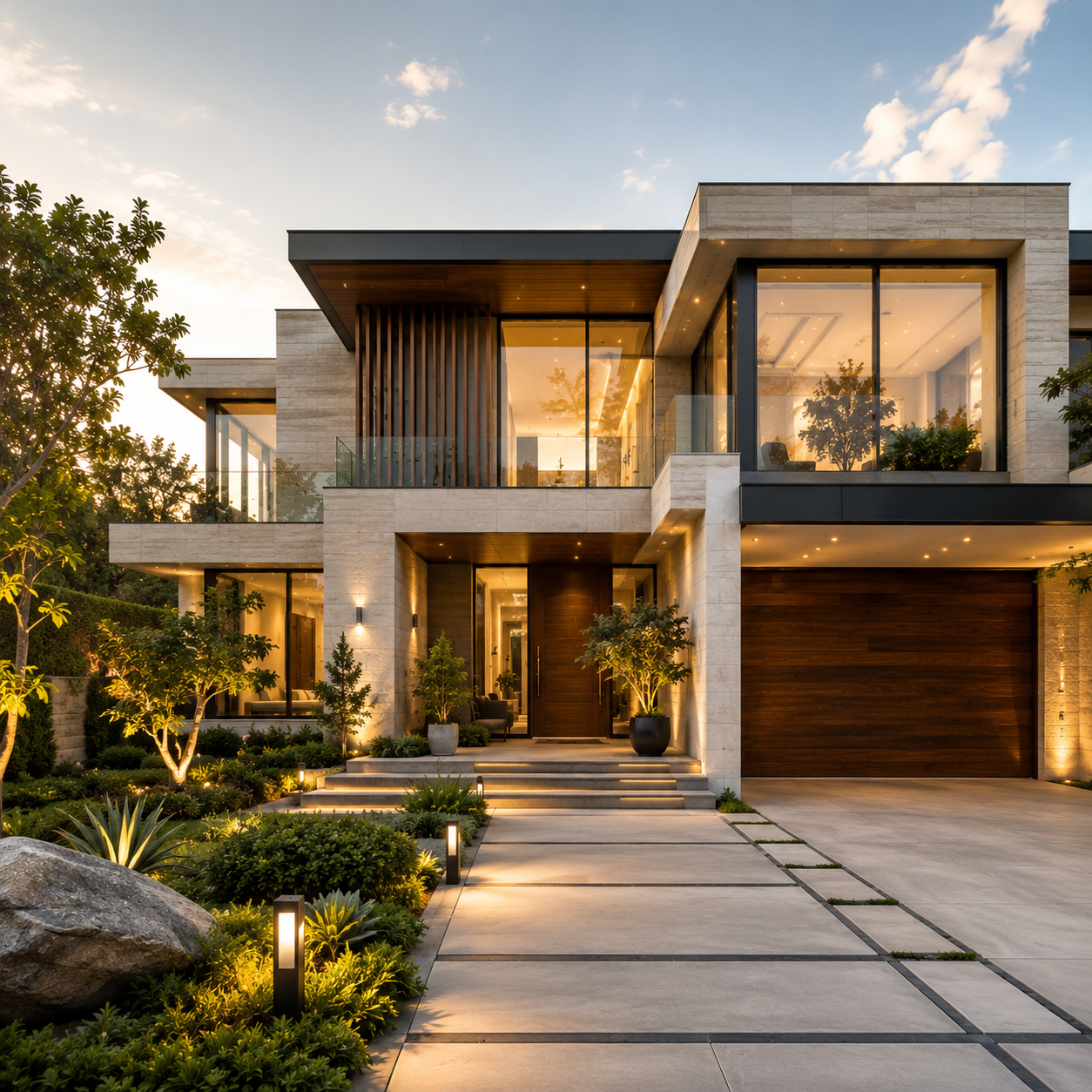
Driveways, gardens, walkways, lighting, outdoor seating areas, and landscape design should be considered during the planning stage. Integrating indoor and outdoor spaces creates a more complete environment while enhancing the property’s overall value and user experience.
Building with Confidence
Successful construction is the result of careful planning, informed decisions, and experienced execution. Avoiding common mistakes before construction begins helps reduce unnecessary challenges while creating a smoother and more efficient project from start to finish.
Whether you’re planning a residential home, commercial development, renovation, or landscape transformation, investing time in preparation allows every stage of the project to move forward with greater clarity and confidence. Thoughtful planning today leads to stronger, more functional spaces that continue to deliver value for years to come.
Recent Posts
Need More Information? Contact Our Team
Feel free to contact us — we’re here to help.
Our Services
We deliver innovative architecture, construction, and interior solutions tailored to your vision. Explore our expertise and build with confidence.